
Real installations. Clearly labelled evidence.
We keep installation references, customer observations and measured results apart, so you can see exactly what each case shows.
Ice hockey arena, Denmark
NeoCat has been installed at an ice hockey arena in Denmark. Electricity consumption at the arena, before and after installation: April–June 2025 98,725 kWh and April–June 2026 63,397 kWh (35,328 kWh lower); July–September 2025 234,748 kWh and July–September 2026 214,169 kWh (20,579 kWh lower). Across the two quarters, consumption was 55,907 kWh lower. These are results from one installation; they are not a guarantee for other sites.
- Before-and-after comparison of the same quarters, 2025 and 2026
- Results from one installation – not a guarantee for other sites
Bystævneparken, Copenhagen
NeoCat Fat III was installed in a grease trap on 11 July 2022.
Installation reference – not a documented effect measurement.
Nobis Hotel Copenhagen
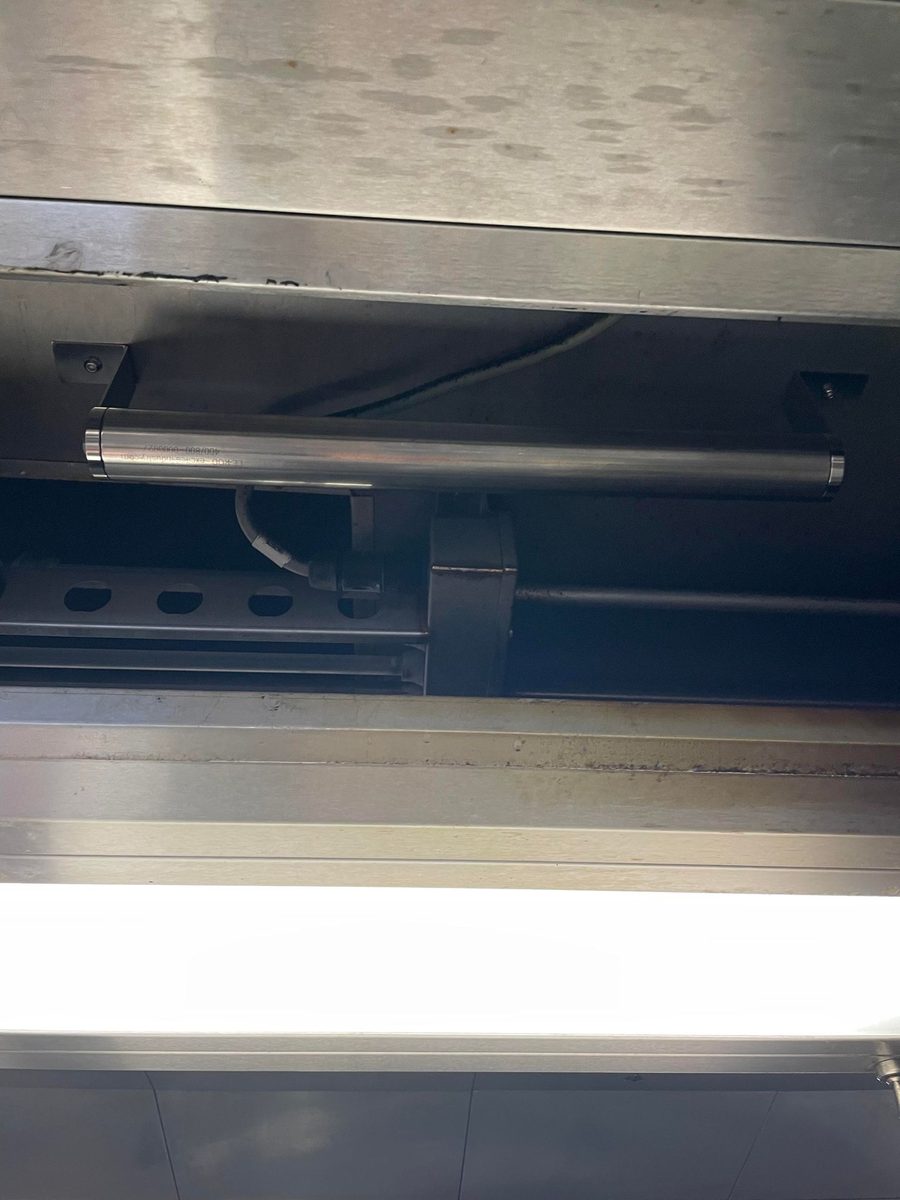
NeoCat Fat III installed in extractor hoods and around fryer stations, according to Biogram's case material.
Installation reference – not a documented effect measurement.
Idrættens Hus / DIF
After installation in August 2021, the technical manager reported an even floor-to-ceiling temperature and that static electricity and odour were no longer noticed (Biogram case material).
Customer observation – not an independent measurement.
Brøndby Hallen
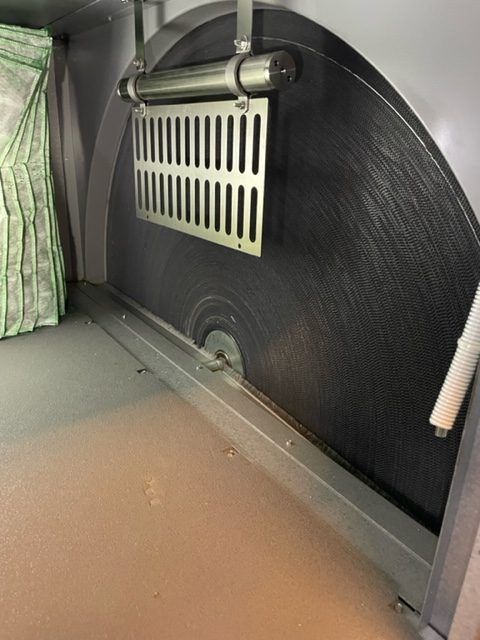
Installation photographs document NeoCat Air units integrated into the ventilation system.
Installation reference – not a documented effect measurement.
Roskilde Congress & Sports Centre
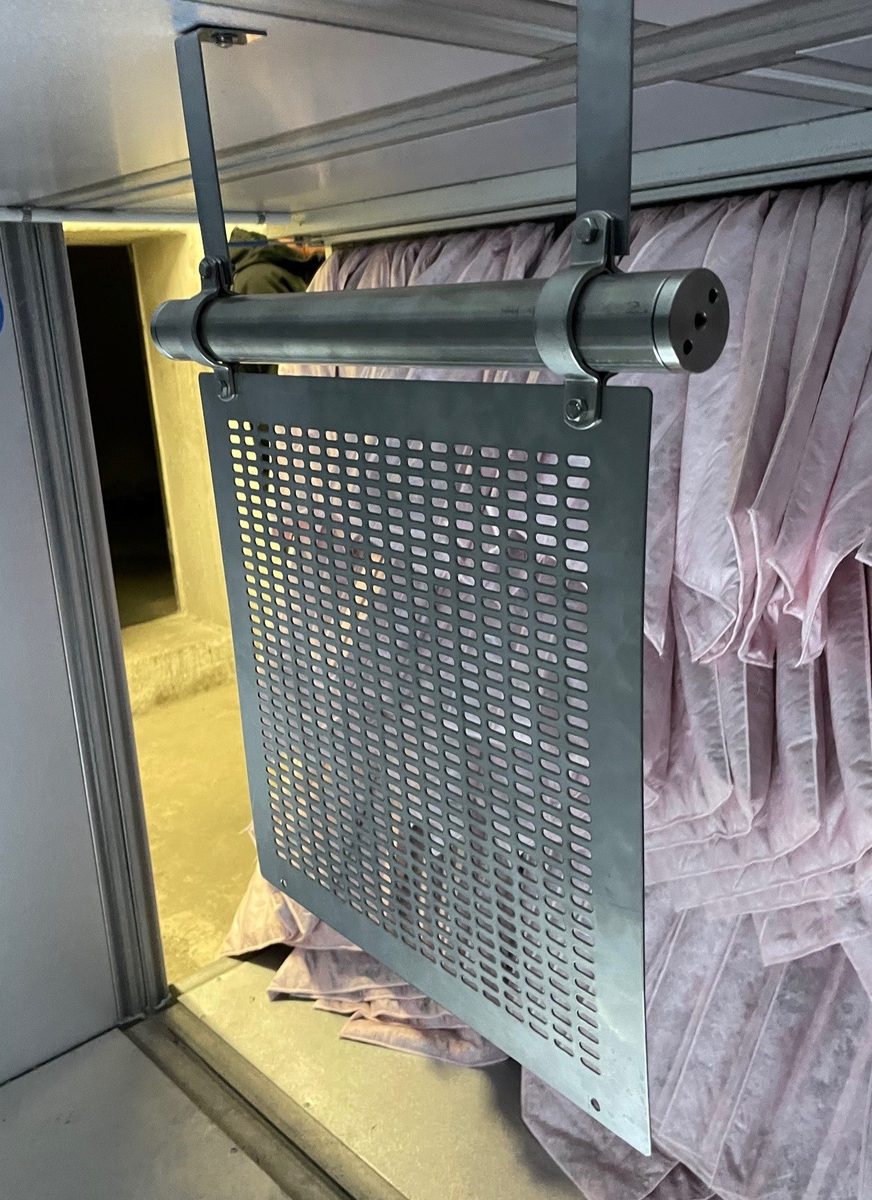
Installation photographs show NeoCat mounted within ventilation equipment in a large public venue.
Installation reference – not a documented effect measurement.
Lyngby Storcenter
NeoCat installed in a commercial kitchen, according to Biogram's case material.
Installation reference – not a documented effect measurement.
How to read these cases: measured results are identified as such; customer observations are presented as customer observations; installation photographs are not treated as proof of performance. Results depend on system design, load, installation, maintenance and operating conditions.